Asbestlint: Hidden Risks Every Homeowner Should Know
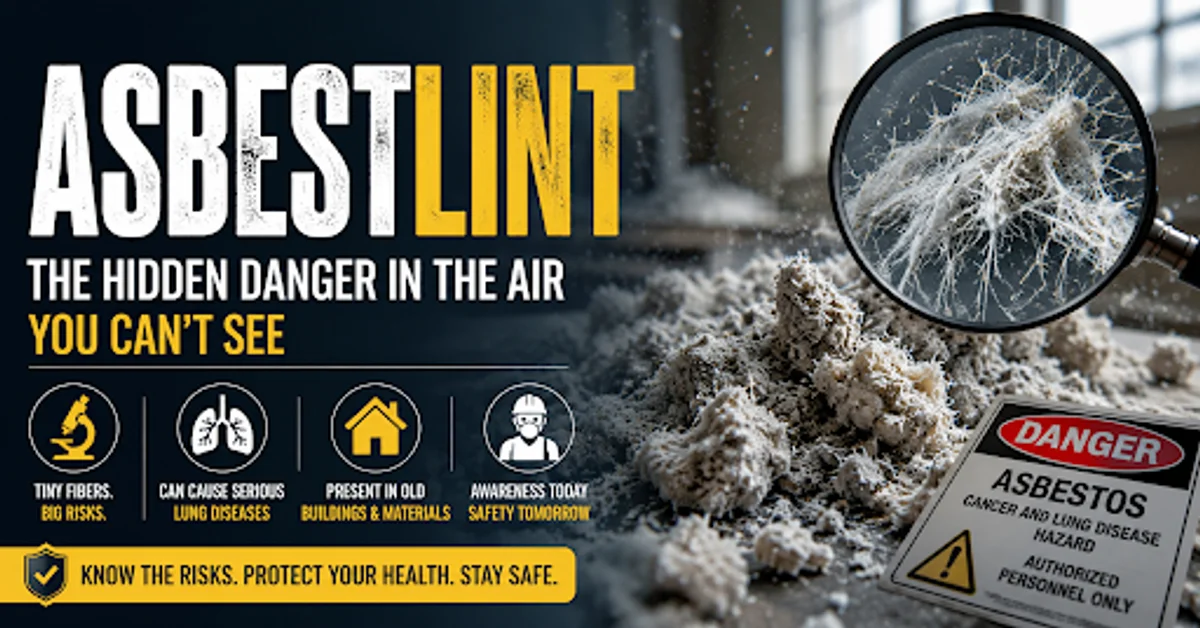
Asbestlint is a term used to describe fine dust made up of microscopic asbestos fibers that are released when asbestos-containing materials become damaged, worn out, or disturbed. These fibers are so small that they may look like ordinary dust, but they behave very differently. They can stay suspended in the air and enter the lungs without being noticed.
That is why what is asbestlint is such an important question. It is not just a word. It points to a real exposure risk in asbestos in old buildings, older homes, factories, schools, and other sites where asbestos-containing materials may still exist. The concern is not the dust itself, but the airborne asbestos fibers inside it.
Ordinary dust usually settles quickly and is often just a nuisance. Asbestos fiber dust, however, can remain airborne longer and may cause harm even when no one can see it. This difference matters for indoor air quality, construction safety, and renovation safety.
Another key point is that asbestos particles do not break down easily in the body. Once inhaled, they can lodge deep in the lungs. Over time, that can lead to asbestos health effects that may not appear for years. This is why experts treat suspected asbestos contamination with caution, not guesswork.
RELATED: Uncuymaza: Why Everyone is Talking about It
How Asbestlint Forms
Common Sources of Airborne Asbestos Fibers
Asbestlint forms when hazardous building materials begin to crumble, age, or get disturbed. Common sources include asbestos insulation, asbestos ceiling tiles, asbestos floor tiles, asbestos roofing sheets, asbestos pipe insulation, and asbestos wall panels. In older buildings, these materials may be hidden behind walls, ceilings, or floors.
When the material becomes friable asbestos, it breaks apart more easily. Friable materials release fibers into the air with less force than solid, bonded products. That is why a damaged pipe wrap or brittle ceiling tile can create more risk than a sealed, intact surface.
Activities That Release Asbestlint
Many everyday tasks can release fibers. Drilling, sanding, cutting, scraping, sweeping, and demolition may all disturb asbestos-containing materials. During an old home renovation, a person may not realize that a wall, floor, or ceiling contains asbestos until dust is already in the air.
Large projects are especially risky because demolition safety is harder to maintain once materials are broken up. The same is true for poorly planned repairs. Without an asbestos risk assessment or asbestos survey, workers may unknowingly increase workplace exposure and create contaminated dust that spreads through a property.
Where Asbestlint Is Commonly Found
Older Homes, Commercial Buildings, and Industrial Sites
Asbestlint is most often linked to places built before asbestos use was restricted. That includes older houses, apartment blocks, offices, hospitals, warehouses, shipyards, and power plants. In these settings, asbestos was once used because it resisted heat, fire, and wear.
Many homeowners are surprised to learn that asbestos dust in the house can come from ordinary maintenance work. A small repair in a wall, ceiling, or floor can disturb hidden material. That is why asbestos inspection is so valuable before remodeling or demolition.
Hidden Places That May Contain Asbestos
Some of the most dangerous asbestos sources are the ones nobody sees. Hidden insulation around pipes, ducts, boilers, or furnaces can contain asbestos-containing insulation. So can older adhesives, textured coatings, vinyl tiles, and backing materials.
Industrial sites may also contain asbestos in machinery areas, gaskets, or protective wraps. Even if the surface looks fine, hidden deterioration can still release fibers. A careful asbestos monitoring program and a proper asbestos management plan help reduce surprises and protect people before exposure starts.
Types of Asbestos Linked to Asbestlint
Chrysotile, Amosite, and Crocidolite Explained
Three asbestos types are most often discussed in health and safety work: Chrysotile, Amosite, and Crocidolite. Chrysotile, also called white asbestos, was widely used in many products because it was flexible and easy to mix into building materials. Amosite, often called brown asbestos, was common in insulation boards and heat-resistant materials. Crocidolite, or blue asbestos, is known for its thin fibers and high hazard level.
All three are dangerous when inhaled. The important point is not just the color, but the fiber behavior. When these materials break down, they can become toxic fibers in the air. That is how asbestlint develops and why it demands careful handling.
Which Type Poses the Greatest Risk?
Crocidolite is often regarded as especially hazardous because its fibers are very fine and can penetrate deep into the lungs. Still, no asbestos type should be treated as safe. Even Chrysotile, which was used more widely than the others, can cause serious disease.
The most practical rule is simple: assume any suspect asbestos material could be dangerous until tested. That approach supports safer asbestos awareness, better asbestos prevention, and more responsible decisions in homes and workplaces.
Health Risks of Asbestlint Exposure
How Asbestos Fibers Affect the Lungs
The danger of asbestlint exposure starts with inhalation. Once fibers are breathed in, the body may not be able to remove them. They can remain lodged in lung tissue and cause irritation, inflammation, and scarring over time. This process can lead to lung fibrosis and pulmonary scarring.
The result may be chronic breathing problems, reduced lung function, and long-term damage that becomes harder to manage with age. That is why the World Health Organization, the International Agency for Research on Cancer, OSHA, NIOSH, the U.S. Environmental Protection Agency, the Health and Safety Executive, and the Asbestos Disease Awareness Organization all treat asbestos exposure as a serious public health issue.
Diseases Associated with Asbestlint
The best-known disease linked to asbestos is Asbestosis, a long-term lung condition caused by scarring. Mesothelioma is another severe illness strongly associated with asbestos exposure, especially exposure to airborne fibers. Lung Cancer risk also increases, particularly with repeated exposure and smoking.
These diseases can take years or decades to appear, which makes asbestos health effects difficult to connect to a single event. That delay is one reason experts stress prevention, documentation, and careful control of contaminated materials rather than waiting for symptoms.
Signs and Symptoms of Asbestlint Exposure
Early Warning Signs
At first, there may be no symptoms at all. That is one of the hardest parts of asbestos exposure. When signs do appear, they may include shortness of breath, chest tightness, a dry cough, or unusual fatigue. These problems can feel mild at first, then become more noticeable over time.
Because these signs overlap with other health conditions, they are easy to miss. Anyone with possible asbestos exposure should take breathing changes seriously and speak with a healthcare professional, especially if the person has worked around asbestos building materials or has lived through repeated renovation dust.
Long-Term Health Effects
Long-term effects may include ongoing respiratory decline, reduced exercise tolerance, and more frequent lung problems. Some people also develop worsening inflammation and scarring that affect daily life. These are not short-term dust reactions. They are among the serious asbestos hazards that make prevention so important.
The key lesson is calm, not fear. Many people with exposure never develop disease, but no one can see the risk just by looking at dust. That is why experts recommend caution, testing, and proper control methods instead of guessing.
How to Detect, Test, and Identify Asbestlint
Professional Air and Material Testing
The safest way to identify asbestos is through asbestos testing by trained specialists. A certified asbestos inspector may collect samples from materials or perform asbestos air testing to check for airborne fibers. If asbestos is confirmed, the next step may be an asbestos abatement plan or controlled removal.
This matters because asbestos cannot be identified reliably by sight alone. A room may look clean and still contain dangerous fibers. Professional asbestos survey work helps reveal what is present before dust spreads or renovation begins.
Why DIY Testing Is Not Recommended
DIY testing can disturb material and release more fibers into the air. That means the attempt to “check” the problem may make it worse. It is much safer to leave suspect material untouched and call trained professionals who use protective methods and follow local rules.
This is especially important in older buildings, where hidden materials may be layered under newer finishes. A rushed inspection without proper protection can increase secondary asbestos exposure for family members, neighbors, or workers moving through the space.
How to Stay Safe Around Asbestlint
Prevention Tips for Homeowners and Workers
The best protection is to avoid disturbing suspect material. If a wall, tile, pipe wrap, or ceiling looks damaged and the building is old, stop work and request an inspection. Good asbestos safety starts before the first cut, drill, or scrape.
For workers, that means following the site’s asbestos management plan, using respiratory protection, wearing protective clothing, and respecting controlled zones. Prevention is simple in principle: keep fibers contained, keep people informed, and keep dust from becoming airborne.
Safe Removal and Disposal Practices
Asbestos removal should be performed by qualified professionals who understand containment, cleanup, and disposal. The process often involves sealing the area, limiting access, using specialized equipment, and managing waste as hazardous waste disposal under local law.
After removal, asbestos disposal must follow approved procedures. Dumping asbestos with ordinary trash is unsafe and usually illegal. Responsible handling protects workers, families, and the wider environment. It also supports asbestos regulations and safer communities.
Common Myths and Facts About Asbestlint
Misconceptions About Asbestos Exposure
One common myth is that only large dust clouds are dangerous. In reality, even small amounts can matter if they contain asbestos fibers. Another myth is that old, undisturbed asbestos is always harmless. It may be less risky when intact, but damage, vibration, moisture, and age can all change that.
Some people also think a mask from a hardware store is enough for every job. That is not true for all tasks. Proper respirator mask selection depends on the work, the exposure level, and local safety rules. The safest approach is training first, then action.
Facts Every Property Owner Should Know
Fact one: asbestos may still be present in old homes and commercial buildings. Fact two: it is often hidden. Fact three: if material is damaged, asbestos contamination can spread beyond the original site. Fact four: safer replacement materials exist.
Modern alternatives include Glass Wool, Rock Wool, Cellulose Insulation, and Polyurethane Foam. These materials are used because they can provide insulation and fire performance without the same asbestos-related risk. That makes them smart choices for safer building upgrades and healthier renovation projects.
RELATED: Çievri: Meaning, Symbolism, and Modern Relevance
Frequently Asked Questions
What does asbestlint mean?
It refers to fine dust made from asbestos fibers, usually released when asbestos-containing materials are damaged or disturbed.
Is asbestlint always dangerous?
It should always be treated with caution because the fibers can be inhaled and may cause long-term health problems.
Can I tell if dust is asbestos just by looking?
No. Asbestos dust and ordinary dust can look similar. Testing is the reliable way to confirm it.
Where is asbestlint most likely to be found?
It is most likely in older homes, commercial buildings, industrial sites, and places with damaged insulation, tiles, or roofing materials.
Should I clean up suspected asbestlint myself?
No. Do not sweep, vacuum, or disturb it. Contact a qualified asbestos professional instead.
Summary
Asbestlint is a small word with a serious meaning. It describes airborne asbestos fibers that can come from aging or damaged building materials and create real health risks. The danger is often invisible, which is exactly why awareness matters.
The good news is that strong protection is possible. With asbestos awareness, proper inspection, safe work practices, and professional removal when needed, the risk can be controlled. When people know what to look for, they make better choices for families, workers, and property owners.