Gelboodu: A Smart, Searchable Anime Imageboard Guide
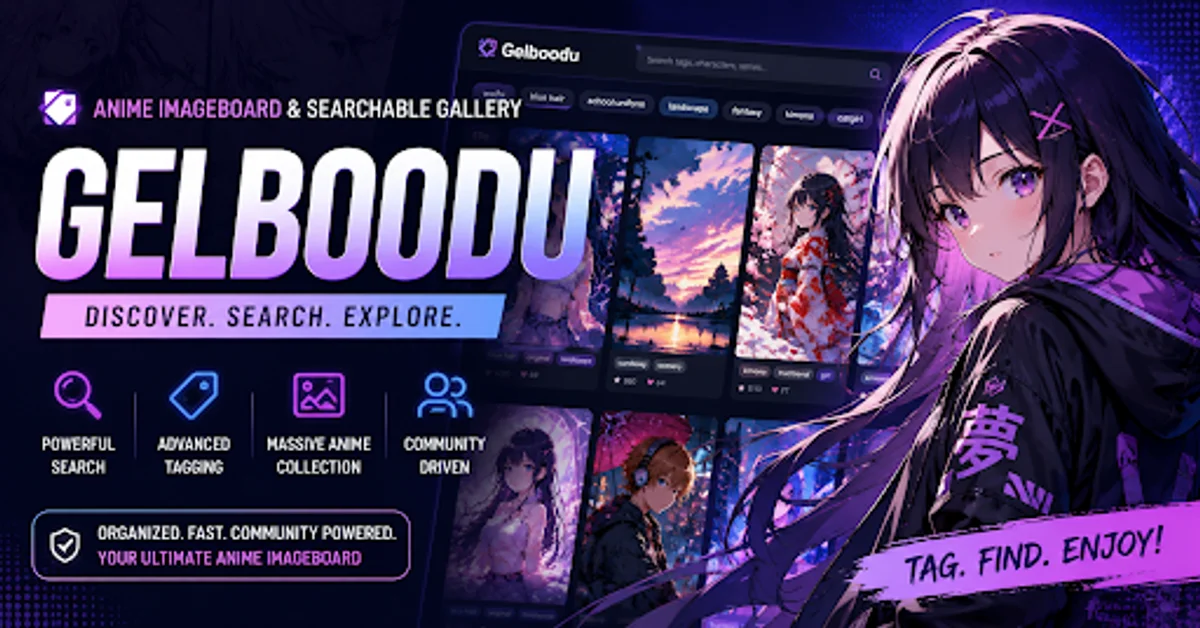
Gelboodu is a strong topic of interest for anime fans, digital artists, and people who enjoy organized visual discovery. At its core, Gelboodu is an anime-focused imageboard built around user uploads, image tags, and a searchable gallery experience. Instead of relying on a social feed, it works more like a living image archive where users can find artwork through labels, metadata, and theme-based browsing.
That simple structure is what gives Gelboodu its appeal. People who want to explore anime illustrations, fan art, or character-specific content can move quickly through the platform without wasting time on random posts. For readers who want a practical, trustworthy Gelboodu guide, this article explains how the platform works, what makes it useful, where it shines, and where users should stay careful.
Read Also: Freely Agency: The Smart, Free Way to Stream UK TV
What is Gelboodu?
Gelboodu is best understood as a booru-style imageboard focused on anime and related visual culture. It is built for image discovery, not social networking. That means the main purpose of the platform is to help people browse, search, and organize images such as Gelboodu anime images, Gelboodu fan art, and other forms of anime artwork. It is less about personal status updates and more about finding the right visual reference fast.
This design makes Gelboodu attractive to users who want a cleaner, more focused experience. Whether someone is searching for a specific character, a series title, or a visual style, the platform acts like a visual database rather than a timeline. That distinction matters because it gives users more control and makes older content easier to revisit. In a space full of fast-moving feeds, that kind of structure feels refreshingly efficient.
Understanding the Booru-Style Imageboard Concept
The booru model is the foundation of Gelboodu. In a booru-style system, images are stored in a searchable database and labeled with descriptive image tags. These tags may include character names, series tags, clothing, poses, colors, artists, and other details. Instead of scrolling endlessly, users can search directly for what they want and discover related content in seconds.
This is what makes the platform feel more like a smart artwork repository than a casual gallery. Booru sites have long been valued by anime fans because they create order out of large image collections. Well-known platforms such as Danbooru, Gelbooru, Safebooru, Konachan, and Yande.re helped popularize this format, while sites like Pixiv, DeviantArt, and ArtStation show how broad the world of digital illustration has become. Gelboodu fits into this wider culture of searchable, community-driven visual archives.
How Gelboodu Works
Gelboodu works through a simple but effective system: images are uploaded, labeled, sorted, and made searchable. Each file becomes part of a larger image catalog, and the quality of the catalog depends on how well the content is tagged. A strong tagging system transforms a large pile of uploads into a usable archive that people can browse with purpose.
For users, this makes the experience fast and practical. Someone might search by anime title, while another user might search by visual detail such as hairstyle, outfit, or pose. That flexibility is a major reason why a Gelboodu image search can feel more precise than a general search engine. It gives people a focused path to the exact kind of anime art they want to find.
The Role of Tags and Metadata in Image Search
Tags and metadata are the heart of the platform. They describe what is in an image and help the system organize it intelligently. Good tags can identify the character, artist, source series, visual theme, or content type. In many cases, tags make the difference between a useful result and a useless one. Without them, even a large archive becomes hard to navigate.
The real power of this system is the way it supports deeper discovery. A user may start with one character tag, then move into related artist tags, similar series, or matching visual styles. That creates a browsing experience that feels rich and layered. Instead of hunting through endless pages, the user follows the tags like a map through a larger digital archive of anime culture.
Key Features of Gelboodu
One of Gelboodu’s biggest strengths is its structured discovery model. Users can search by name, series, theme, or visual feature and quickly reach relevant results. This makes the platform especially useful for people who already know what they want. The combination of search filters, descriptive labels, and organized browsing creates a smooth experience that feels purposeful rather than random.
Another major feature is its community-driven content model. Because uploads come from users, the platform can grow quickly and reflect a wide range of fan creations and art styles. That user activity helps build a lively anime community around the site. It also means Gelboodu can serve as both a source of inspiration and a practical reference tool for artists, bloggers, editors, and fans who value visual depth.
Search Filters, Browsing, and Visual Discovery
Search filters are one of the most helpful tools on a platform like Gelboodu. They reduce noise and make it easier to find very specific content. A user can narrow a search by tag combinations, content type, or style, which turns the platform into a flexible image search engine. This is especially valuable when the goal is to study anime illustrations or compare art from different creators.
The browsing experience also feels more organized than a standard social feed. Instead of being pushed content by an algorithm, users choose their own path through the archive. That gives them more freedom and more control over what they see. For people who enjoy deliberate artwork discovery, this can be one of the most satisfying parts of the Gelboodu experience.
Why Anime Fans and Artists Use Gelboodu
Anime fans use Gelboodu because it gives them a fast way to explore images tied to characters, series, and artistic themes. It is especially useful for people who enjoy collecting references, comparing styles, or building personal inspiration folders. Since the platform is built around search, it works well for both casual browsing and focused research. A user who wants one specific image does not need to fight a feed to find it.
Artists also benefit from the platform. Many digital creators study proportions, colors, outfits, expressions, and composition by looking at large collections of visual references. In that sense, Gelboodu can function as an informal illustration archive or reference library. It helps creative users understand what is common in anime fandom and what makes certain designs stand out in the wider creative community.
A Helpful Space for References and Inspiration
For artists, inspiration often comes from repeated exposure to strong visual work. Gelboodu offers a large pool of anime characters, manga series references, and fan-made interpretations that can support mood boards, studies, and style analysis. This is not about copying. It is about observing patterns, learning from visual language, and sharpening artistic instincts with real examples.
For bloggers, editors, and researchers, the platform can also be useful as a source of content trends. It helps users understand what kinds of characters, outfits, and art styles attract attention within anime fandom. That makes Gelboodu more than a gallery. It becomes a practical tool for anyone who wants to understand how anime culture expresses itself visually.
Benefits of Using Gelboodu
The first major benefit of Gelboodu is efficiency. Because the platform is tag-based, users can get to the right content quickly without scrolling through unrelated material. That saves time and creates a smoother browsing experience. For users who already know their target series, artist, or visual theme, the platform’s structure is a major advantage.
A second benefit is long-term discoverability. Older images remain useful because they stay searchable inside the archive. That is very different from social platforms, where posts can disappear under newer content. Gelboodu gives images a longer life by keeping them in an organized image archive. That is powerful for anyone who values continuity, consistency, and easy retrieval.
A Cleaner Way to Organize and Find Art
The platform also helps users organize their own viewing habits. Instead of collecting random bookmarks or relying on memory, they can use the archive to revisit artwork by tag and theme. This makes it easier to build a personal reference system around favorite characters, styles, and creators. For many users, that level of artwork organization is the real draw.
Another benefit is that the platform encourages structured exploration. Users do not have to choose between a giant search engine and a noisy social feed. Gelboodu sits in the middle as a focused, searchable gallery. That balance gives it a distinct role among platforms like Pixiv, DeviantArt, and ArtStation, each of which serves different creative needs in the online art world.
Gelboodu vs. Social Media and Other Imageboards
Gelboodu stands apart from social media because it is built around search, not followers. On social platforms, content is often driven by timelines, engagement signals, and algorithmic suggestions. On Gelboodu, the user chooses the tag, the theme, and the path. That gives the platform a quieter, more structured feel that is ideal for deliberate image discovery.
Compared with other imageboards, Gelboodu fits into a familiar tradition while keeping its own identity. Sites like Danbooru, Gelbooru, Safebooru, Konachan, and Yande.re helped define the searchable imageboard model. Gelboodu shares that same logic, but its value comes from how well it serves the needs of anime fans who want order, clarity, and fast access to visual content.
How Gelboodu Differs from Traditional Social Platforms
Traditional social platforms are designed to keep users engaged with people. Gelboodu is designed to keep users engaged with images. That difference changes everything. On social media, a creator’s content can be buried quickly. On Gelboodu, the right tag can keep an image discoverable for much longer. That makes the platform more useful as a reference tool and less dependent on viral behavior.
The result is a calmer, more intentional browsing model. Users are not chasing reactions or following trends as much as they are building visual knowledge. That is why many people see Gelboodu as a searchable image catalog rather than a community feed. It serves a different purpose, and that purpose is one of its biggest strengths.
Copyright, Artist Credit, and Responsible Use
Copyright matters on any platform that hosts or indexes creative work. Just because an image appears on Gelboodu does not mean it is free to reuse. Some content may be official art, while other content may be fan-made or reposted from another source. Users who want to share, edit, or republish images should always look for the original creator and understand the rights attached to the work.
Artist credit is part of a healthy creative culture. When users trace artwork back to its source, they support the people who made it and reduce confusion about ownership. This is especially important in anime and manga spaces, where many images spread quickly across the internet. A trustworthy Gelboodu guide should always remind readers to verify sources before using art outside the platform.
Safety, Content Filters, and Best Browsing Practices
Like many open imageboards, Gelboodu may include content that is not suitable for every audience. Users should be aware that an open archive can contain a wide range of artwork, from harmless sketches to material that may be more mature or sensitive. That does not make the platform bad. It simply means responsible browsing is important.
Filters and tags help reduce risk, but they are not a complete substitute for judgment. Users should pay attention to labels, content settings, and search terms before opening a result. Younger users, parents, and casual visitors should be especially careful. A good browsing habit starts with understanding that an open imageboard is not the same as a tightly controlled gallery.
Simple Habits for Safer Browsing
A few practical habits can make the experience better. Search carefully, check tags before opening images, and avoid assuming that every upload is verified or safe. Users should also be cautious about downloading or reposting content without checking whether the artist allows reuse. These small steps help create a safer and more respectful experience.
Best practices also include keeping expectations realistic. Gelboodu is a powerful archive, not a polished museum. The more users understand how it works, the better the experience becomes. With smart browsing and clear boundaries, the platform can remain useful, inspiring, and enjoyable for a wide range of anime fans.
Limitations of Gelboodu
Even a strong platform has limits, and Gelboodu is no exception. Its usefulness depends heavily on the quality of its tags. If a file is poorly labeled, users may miss it or fail to find related content. Duplicate uploads, incomplete metadata, and inconsistent tagging can also make the archive less efficient than it could be.
Another limitation is source reliability. Because content is user-generated, information about artists or original uploads may sometimes be incomplete or inaccurate. That means users should verify important details before treating the archive as a final authority. Gelboodu is excellent for discovery, but it should not be the only source when accuracy matters.
What Users Should Keep in Mind
Users should also remember that open archives evolve. Content can be added, corrected, or removed, and community standards may vary. That flexibility is part of the platform’s strength, but it also means there is no perfect guarantee of consistency. A good user approach is to enjoy the archive while staying thoughtful about what it can and cannot confirm.
In other words, Gelboodu works best when users treat it as a dynamic visual tool. It is a smart image archive, not a final legal record or a complete art database. That perspective keeps expectations balanced and makes the platform easier to use responsibly.
Read Also: Whaleness: How Whales Support People and the Planet
Frequently Asked Questions
What is Gelboodu used for?
Gelboodu is used for browsing, searching, and organizing anime-related images, fan art, and digital illustrations through tags and metadata.
Is Gelboodu only for anime art?
It is primarily anime-focused, but users may also find manga-related art, fan creations, and other visually similar content depending on the tags and uploads.
How does the Gelboodu tagging system help?
The tagging system helps users find specific characters, series, artists, styles, outfits, and themes quickly without sorting through unrelated content.
Is Gelboodu better than social media for image search?
For search-based discovery, yes. Gelboodu is more structured than social media because it works like a searchable archive instead of a timeline.
Can artists use Gelboodu for reference?
Yes. Many digital artists use searchable imageboards for inspiration, style comparison, and visual research, as long as they respect copyright and artist credit.
Summary
Gelboodu is a useful and engaging platform for anyone who loves anime visuals, organized discovery, and tag-based browsing. Its greatest strength is not flashy design or social interaction. It is the clarity of its structure. By turning uploads into a searchable archive, it helps users find the exact kind of Gelboodu anime imageboard content they want with speed and precision.
For anime fans, artists, and curious readers, that makes Gelboodu genuinely valuable. It offers a smarter way to explore Gelboodu anime images, compare styles, and discover new fan art with less friction. When used responsibly, with attention to copyright, safety, and source quality, it becomes more than a site. It becomes a practical visual library for the wider anime world.